
Jamaica’s Must-Visit Museums for History, Art, and Culture
Jamaica's story is told through far more than its landscapes, it comes alive in the museums that preserve the island's rich history, remarkable artistry and vibrant cultural heritage. Whether you are passionate about the past or eager to discover the traditions that have shaped Jamaica, these must-visit museums offer fascinating experiences that reveal a deeper side of the island.
Seville Heritage Park (Saint Ann’s Bay)
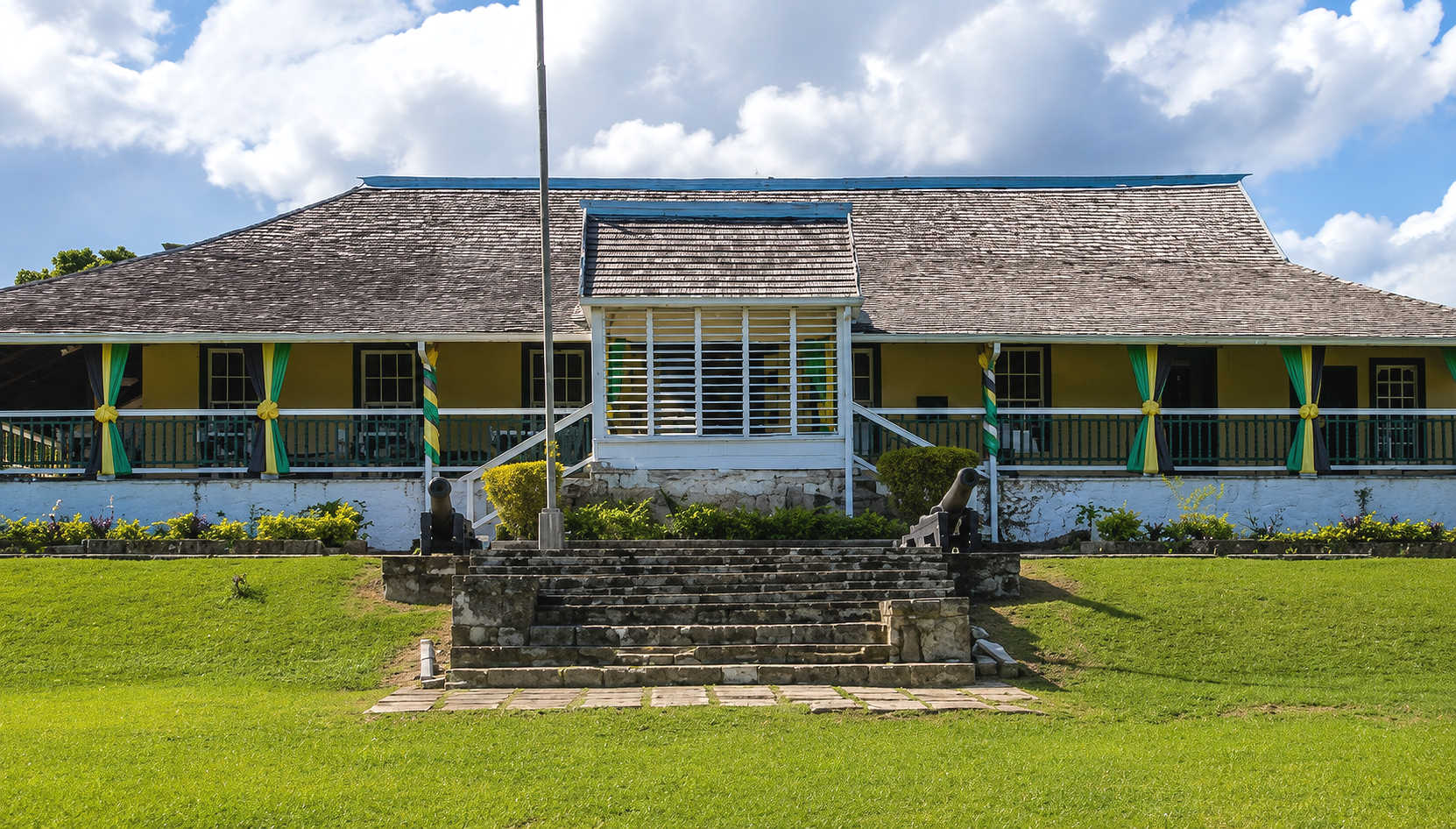
It is not just a museum building; it is a heritage park with the Seville Great House. This site has archaeological significance, artefacts connected to Taíno, African history and European history. Its educators offer guided tours that include a Great House Museum, a replica Taíno village and a reconstructed enslaved African house.
Green Grotto Caves (Discovery Bay)
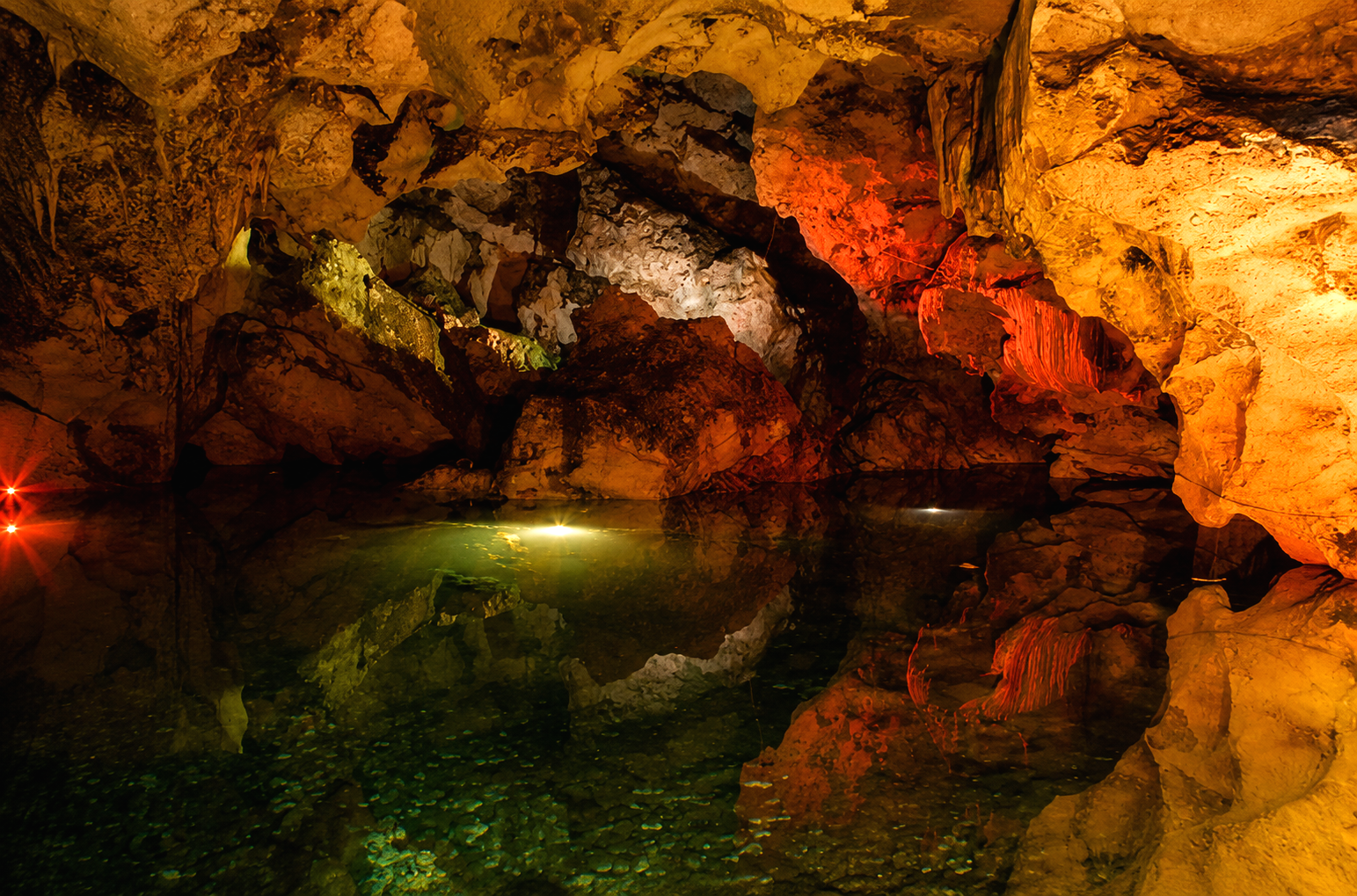
Although Green Grotto Caves is not exactly a museum, it still holds some historical significance and stands as one of Jamaica’s best-known natural attractions. You can experience a guided cave tour through limestone chambers, passageways, stalactites, stalagmites, bats, and a dramatic underground lake.
Bob Marley Museum (Kingston)
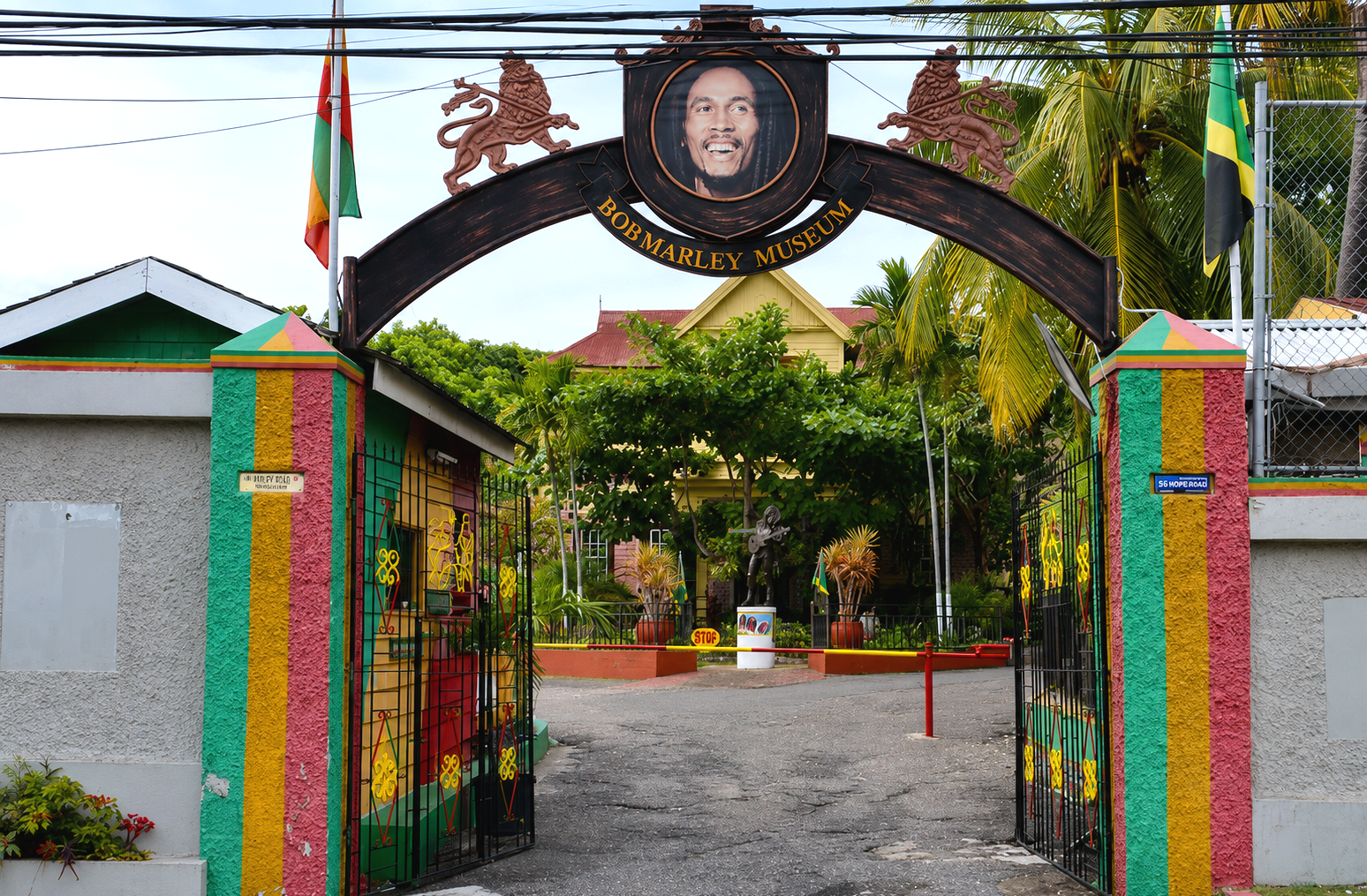
It is set in Marley’s former home and the official tour runs about 1 hour and 15 minutes including a video presentation. This is the easiest recommendation for almost any visitor because it is iconic, accessible and emotionally memorable even if you are not a deep reggae historian.
National Gallery of Jamaica (Kingston)
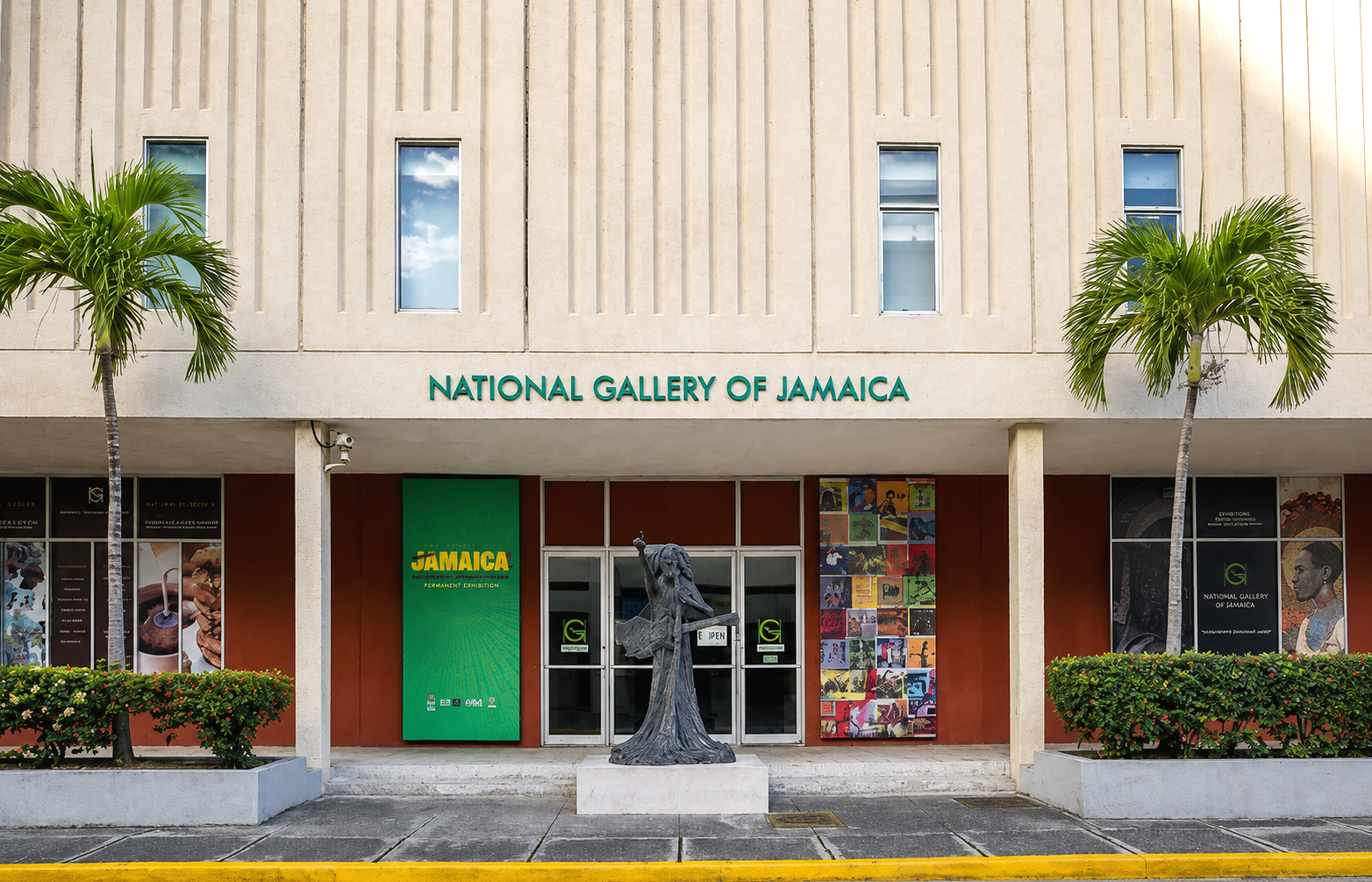
Jamaica’s National Gallery was established in 1974, the oldest and largest public art museum in the Anglophone Caribbean, with early, modern, and contemporary Jamaican art, plus Caribbean and international holdings. This is the most serious museum on the island if you want Jamaican visual culture rather than just a celebrity/music attraction.
National Museum Jamaica (Kingston)
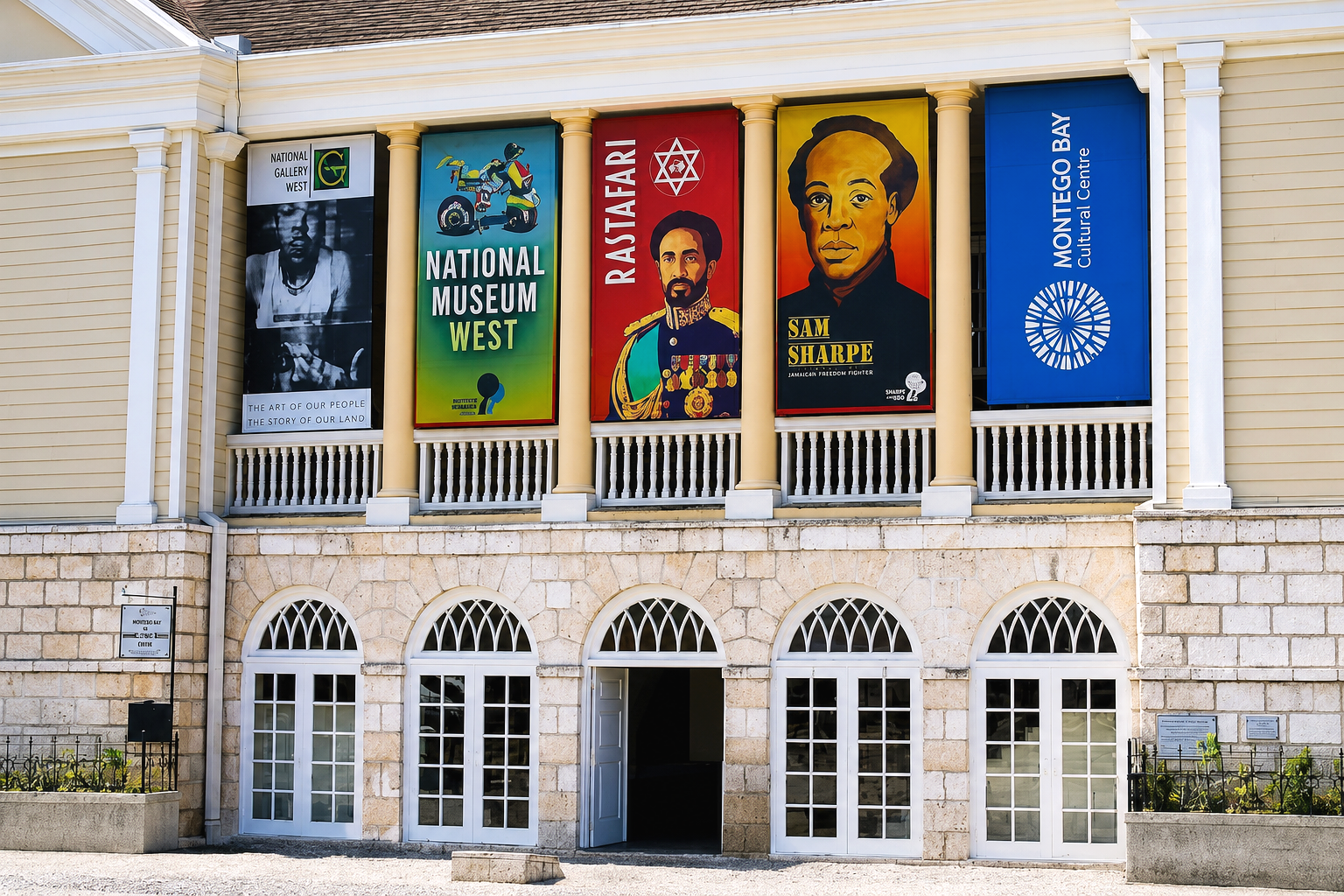
Jamaica’s National Museum is part of the Institute of Jamaica system and focuses on the collection, preservation, and presentation of Jamaica’s material culture and artefacts. This is a better choice if you want the broader national story: archaeology, heritage, identity, and historical objects.
The Natural History Museum of Jamaica (Kingston)
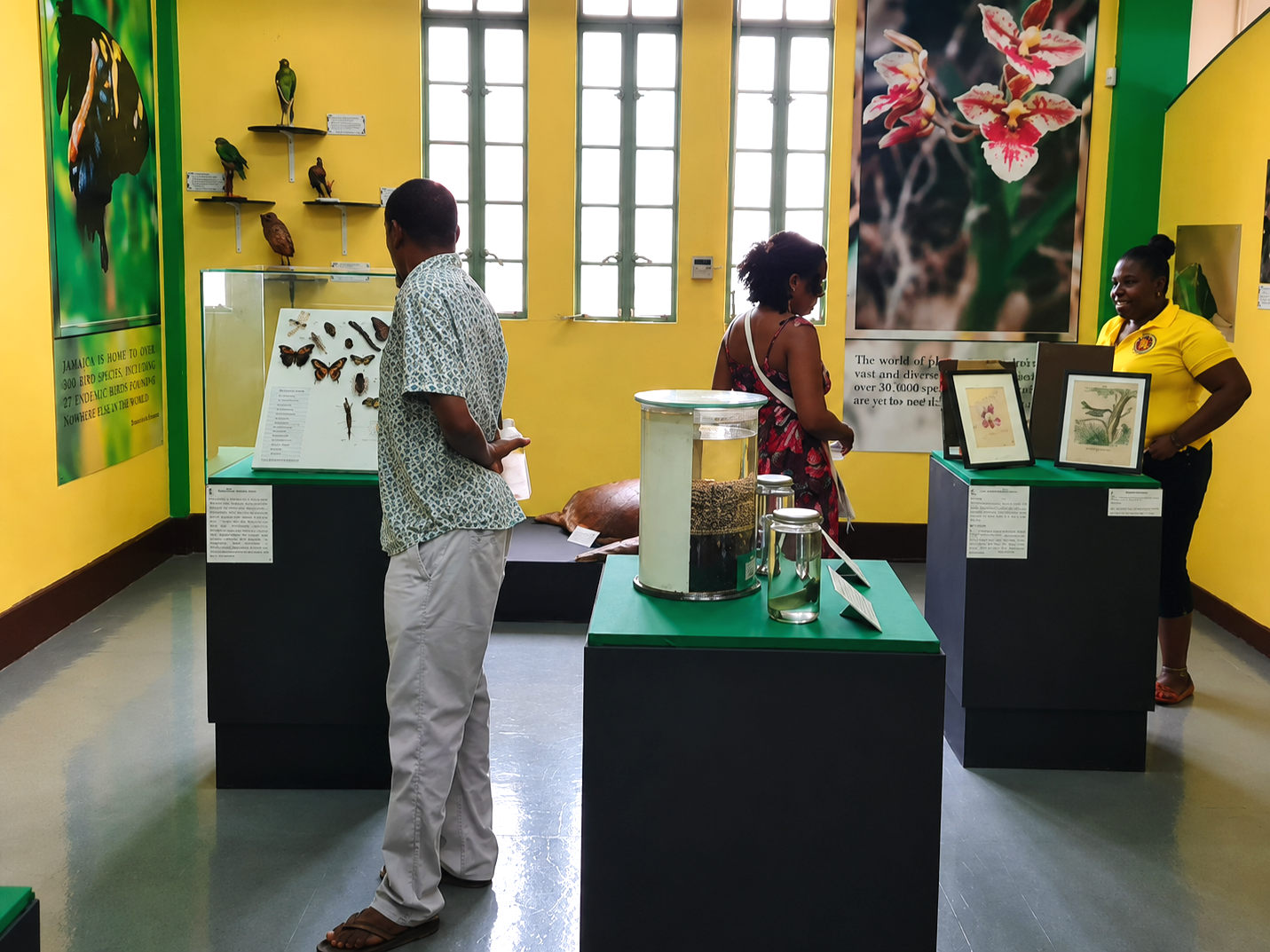
If you are looking for something more science-focused, then this place might be for you. This museum covers plants, animals, conservation, invasive species, folklore and Jamaica’s ecosystems.
National Museum West / Montego Bay Cultural Centre (Montego Bay)
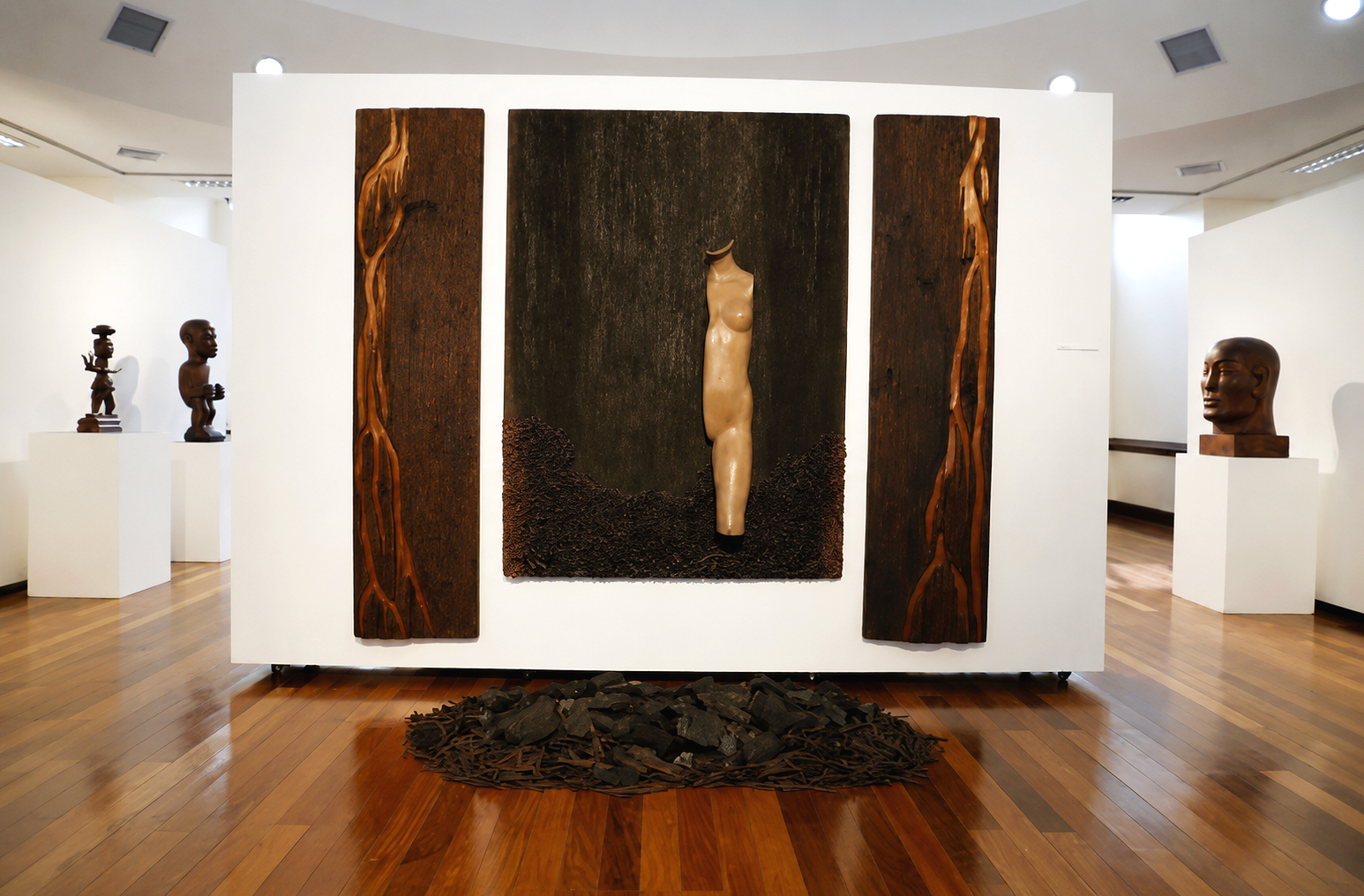
If you are curious about Montego Bay’s context beyond the resorts, then this stop is definitely worthwhile. It exhibits Jamaica’s indigenous Taíno history, the Spanish and English colonial periods, slavery, the sugar economy, Maroon resistance, emancipation and the development of modern Montego Bay as a tourism hub.
